








Understanding Data Loggers in Packaging Machinery
In today’s fast-evolving manufacturing landscape, the need for precise data collection and monitoring has never been more critical. This is particularly true in the packaging machinery sector, where data loggers serve as essential tools to ensure product quality, compliance, and efficiency. Data logger are electronic devices that record various environmental parameters over time, providing critical insights that drive operational improvements. Understanding their functionalities is the first step in leveraging them for maximal impact in packaging processes.
What is a Data Logger and Its Functions?
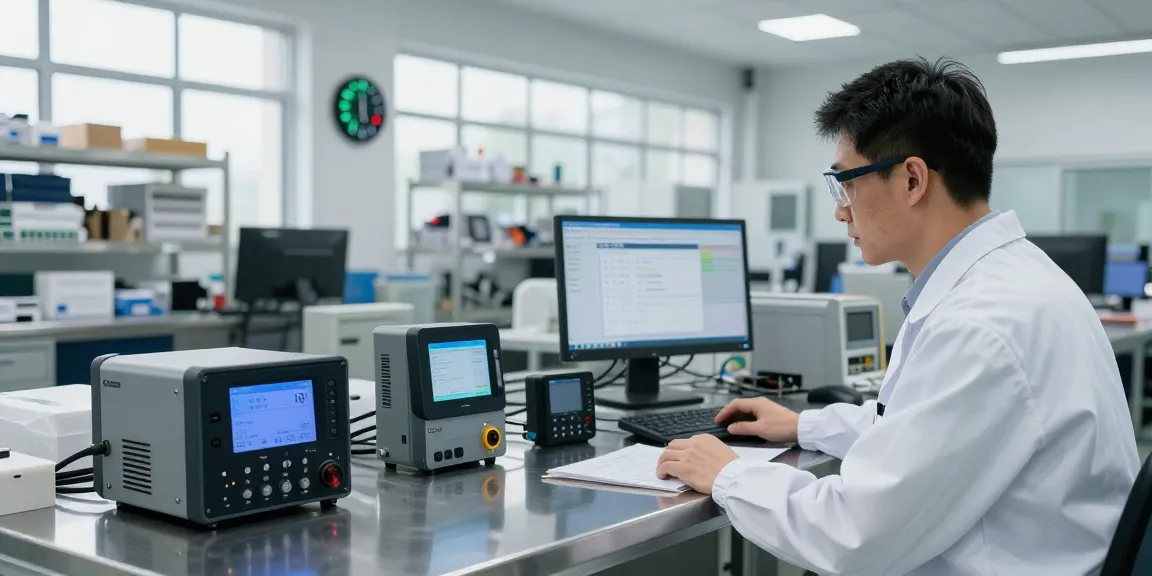
A data logger is a device used to monitor and record data over time. It collects information such as temperature, humidity, pressure, and other environmental conditions, enabling businesses to analyze and respond to changes in their operational environment. Typically, data loggers can operate either autonomously or with computer software, making them versatile tools for various applications, especially in packaging machinery.
Functions of data loggers can be outlined as follows:
- Data Recording: Data loggers continuously record measurements over specified periods, providing a comprehensive data set for analysis.
- Real-Time Monitoring: Many modern data loggers offer real-time monitoring capabilities, enabling immediate response to potential issues.
- Alerts and Notifications: Integrated systems can send alerts when parameters exceed predefined thresholds, safeguarding product integrity.
- Data Analysis: They come with software that facilitates data analysis, allowing users to identify trends and make informed decisions.
The Importance of Data Loggers in Packaging
In packaging, data loggers play a pivotal role in ensuring that products are stored and transported under optimal conditions. For industries dealing with perishable goods, such as food and pharmaceuticals, maintaining strict environmental controls is vital. Any deviation can compromise product quality and safety, leading to significant financial losses and regulatory repercussions.
Key reasons highlighting the importance of data loggers in packaging include:
- Quality Assurance: By continuously monitoring environmental conditions, data loggers help uphold packaging standards, ensuring products reach consumers in optimal condition.
- Regulatory Compliance: Many industries are subjected to strict regulatory standards. Data loggers help ensure compliance by providing verifiable data logs necessary for audits.
- Operational Efficiency: With real-time data collection and monitoring, businesses can optimize their packaging processes, reducing waste and improving turnaround times.
Common Applications of Data Loggers in Various Industries
The applications of data loggers extend beyond just food packaging. They are utilized across various sectors, including:
- Food and Beverage: Monitoring temperature and humidity during storage and transport.
- Pharmaceuticals: Ensuring that sensitive products are kept at required temperatures throughout the distribution chain.
- Manufacturing: Monitoring machinery performance and environmental conditions in production facilities.
- Logistics: Tracking the environmental conditions of shipments to ensure the integrity of transported goods.
Choosing the Right Data Logger for Your Needs
When selecting a data logger, it’s crucial to consider specific operational requirements to ensure it meets your needs effectively. Various models and brands cater to different applications, and understanding what to look for can streamline this process.
Key Features to Look for in a Data Logger
Selecting the right data logger involves assessing several critical features:
- Measurement Range: Ensure the data logger can measure the relevant parameters within the desired range.
- Data Storage Capacity: Consider how much data you need to store and how often you will need to offload or analyze it.
- Battery Life: A longer battery life is essential for uninterrupted data collection, especially in remote locations.
- Connectivity: Check if the device offers wireless connectivity options, like Bluetooth or Wi-Fi, for easier access to data.
- Software Compatibility: Ensure that the data logger’s software is user-friendly and compatible with your existing systems.
Comparative Analysis of Top Data Logger Brands
Several brands dominate the data logger market, each offering unique advantages. Here’s a brief comparison of popular options:
- Mettler Toledo: Known for precision and reliability, ideal for applications in food and pharmaceuticals.
- Markem-Imaje: Offers versatile solutions with advanced technologies, suitable for various packaging applications.
- Raytec Vision: Renowned for high-quality data loggers focusing on environmental monitoring.
- T&D Corporation: Provides extensive models for temperature and humidity monitoring with advanced software capabilities.
Cost Considerations and Budgeting for Data Loggers
When budgeting for data loggers, it’s important to consider not only the initial purchase cost but also long-term operational expenses. Prices can range significantly based on features and brand. Here are key considerations:
- Initial Investment: Assess the up-front cost of the data logger and any additional equipment required for its operation.
- Maintenance Costs: Account for periodic calibration, software updates, and potential repairs.
- Operational Efficiency: Evaluate how the data logger will enhance operational capabilities and potentially save costs in the long run.
Integrating Data Loggers into Your Packaging Line
Successfully integrating data loggers into your packaging process involves careful planning and execution. Proper integration ensures that the advantages of data logging are fully realized.
Best Practices for Integrating Data Loggers
To optimize the integration of data loggers, consider the following best practices:
- Define Objectives: Clearly establish what you aim to achieve by using a data logger—be it quality control, regulatory compliance, or operational efficiency.
- Select the Right Location: Position data loggers strategically within your packaging line to capture the most relevant data.
- Training: Ensure that your team is adequately trained on how to utilize the data loggers and interpret the data effectively.
Common Challenges and Solutions When Implementing Data Loggers
Implementing data loggers can come with challenges, including data overload and integration issues. Here are common challenges and how to address them:
- Data Overload: Mitigate by establishing clear data analysis protocols and using software to filter essential data.
- Integration with Existing Systems: Work with IT experts to ensure compatibility and smooth data flow between systems.
- User Resistance: Foster a culture of data-driven decision-making by illustrating the benefits of data logging to all team members.
Real-World Case Studies of Successful Data Logger Implementation
To illustrate the effectiveness of data loggers, consider the following case studies:
- Food Manufacturer: A leading food packaging company improved product quality and reduced waste by 25% after implementing temperature monitoring data loggers in their supply chain.
- Pharmaceutical Supplier: A pharmaceutical company achieved compliance with regulations and improved their audit readiness through stringent data logging of storage conditions.
- Beverage Industry: A beverage manufacturer noted a 15% decrease in spoilage rates by using real-time data loggers during transportation.
Measuring Performance and ROI with Data Loggers
Determining the impact of data loggers on business performance is essential for validating the investment. Understanding key metrics helps in assessing the return on investment (ROI).
Key Performance Indicators for Data Logger Effectiveness
Key performance indicators (KPIs) for measuring data logger effectiveness include:
- Accuracy of Data: Evaluate how accurately the data loggers record measurements against standards.
- Reduction in Product Waste: Monitor the decrease in spoilage or waste due to enhanced tracking.
- Time Saved in Data Collection: Assess the efficiency gained by automating data recording processes.
Calculating Return on Investment with Data Loggers
Calculating ROI involves analyzing both tangible and intangible benefits derived from using data loggers. The formula could look like this:
ROI = (Net Profit from Improvements – Cost of Data Loggers) / Cost of Data Loggers x 100
Quantifiable benefits may include savings from reduced spoilage, while qualitative benefits might encompass improved customer satisfaction and compliance readiness.
Comparison of Manual vs. Automated Data Logging
Manual data logging is labor-intensive and prone to error, while automated systems enhance accuracy and efficiency. Key differences include:
- Labor Costs: Automated systems typically reduce the need for manual labor related to data collection.
- Accuracy: Automated systems minimize human error, leading to more reliable data collection.
- Real-Time Feedback: Automation offers real-time data that can lead to swift corrective actions, unlike manual methods which may delay response times.
Future Trends for Data Loggers in Packaging
The data logger industry is witnessing rapid advancements aimed at improving functionality and user experience. These trends will likely shape the future of packaging processes in the coming years.
Innovations in Data Logger Technology for 2026 and Beyond
Key innovations expected in data logger technology include:
- Enhanced Connectivity: Increasing use of IoT technology for seamless integration and real-time data access.
- Advanced Sensors: Development of more sensitive and diverse sensors to monitor a wider range of parameters.
- AI Integration: Use of artificial intelligence to predict maintenance needs and optimize packaging processes based on historical data.
The Role of Sustainability in Data Logger Development
As businesses become more environmentally conscious, data loggers are evolving to meet sustainability goals by:
- Reducing Waste: Providing precise monitoring to minimize product spoilage and waste.
- Eco-Friendly Materials: Innovations in the construction of data loggers using sustainable materials.
- Carbon Footprint Tracking: Allowing companies to monitor their environmental impact effectively.
Expert Insights on the Future of Data Logging in Industry
Industry experts predict that as technology progresses, data loggers will become increasingly sophisticated, offering predictive capabilities that can prevent issues before they arise. The focus will shift towards user-friendly applications that provide valuable analytics in real-time.
How Will AI Impact Data Logger Functionality?
Artificial intelligence is set to transform data logging capabilities by:
- Predictive Analytics: Analyzing historical data to predict future conditions and maintenance needs.
- Automated Decision-Making: Allowing smarter systems to make real-time decisions based on data inputs.
- Improved Data Interpretation: Enhancing the ability to sift through large datasets and extract actionable insights.