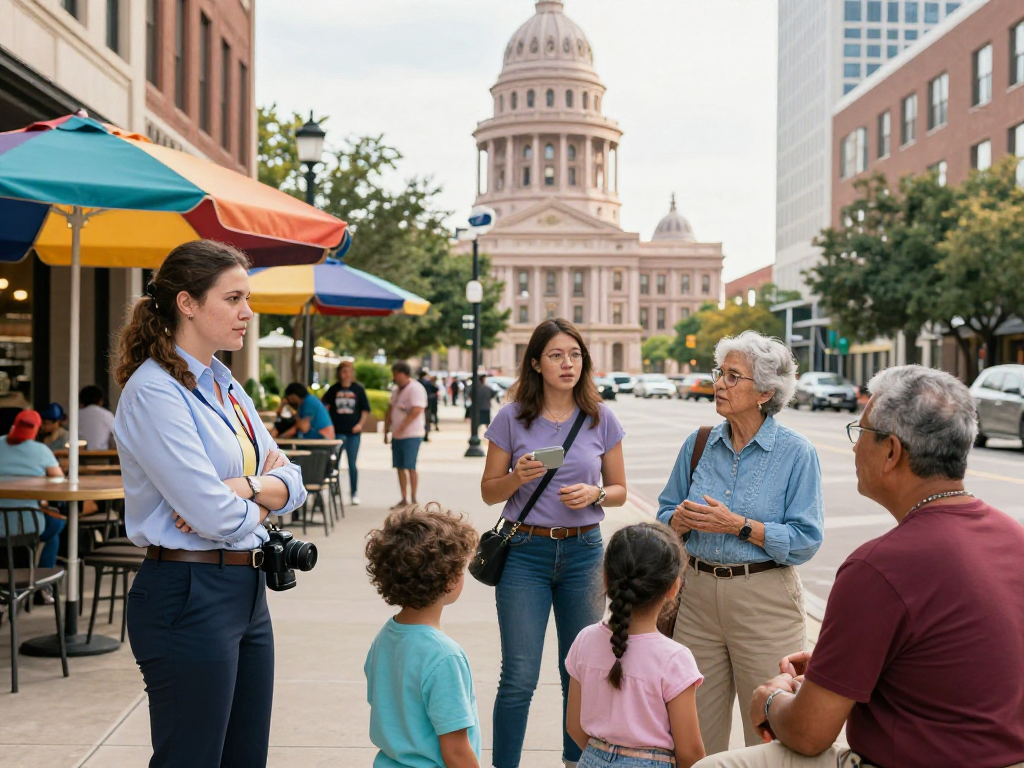
Understanding the Sentiments: Why Do People Hate Texas?
Texas, often heralded as the Lone Star State, boasts a rich blend of culture, history, and opportunity. However, it is also a state that garners considerable criticism. Many individuals express discontent about various facets of life in Texas, ranging from its political climate to environmental concerns. To truly understand the breadth of these sentiments, it's essential to explore the common complaints, the perspectives of residents themselves, and how these perceptions are shaped by media representation. When exploring options, why do people hate texas can offer valuable insights into the nuances of public opinion.
Common Complaints and Misconceptions
One of the most prevalent issues brought up by critics is Texas's political landscape. The state's conservative policies often clash with more liberal viewpoints, creating a sense of division among residents and potential movers. Additionally, other common complaints include:
- Traffic Congestion: Major cities like Houston and Dallas are notorious for their heavy traffic, leading to frustration for daily commuters.
- Heat and Weather: The extreme heat, particularly in summer, can be unbearable for those unaccustomed to such temperatures.
- Education System: Texas's public education system often faces criticism for its funding and performance, particularly in urban areas.
- Healthcare Access: Some residents voice concern about the state's healthcare system, especially regarding affordability and access in rural areas.
Survey Insights: What Residents Say
To gain a clearer picture of public sentiment, surveys conducted among Texas residents reveal a mixed bag of opinions. While many love the state for its job opportunities and cultural diversity, others highlight significant frustrations. Key insights include:
- Job Opportunities: Many residents appreciate the booming economy and job growth, particularly in tech and energy sectors.
- Social Issues: Residents express discontent with social issues, including views on LGBTQ+ rights and racial equality, which can affect their overall sense of belonging.
- Cost of Living: While Texas is generally more affordable than states like California and New York, rising housing costs in urban areas are a growing concern.
Media Representation vs. Reality
Media portrayal plays a significant role in shaping perceptions of Texas. Often sensationalized, stories about political controversies and natural disasters can overshadow the state's many positive attributes. Reality varies widely; while urban centers may project the problems mentioned, rural areas often maintain a close-knit, community-oriented lifestyle that many find appealing. This dichotomy often leads to misunderstanding and generalized negative views about the entire state.
The Economic Factors Behind Relocation
The economic landscape of Texas is a crucial factor influencing migration patterns. With its diverse job market and relatively low cost of living compared to other populous states, many view Texas as a prime relocation destination. However, it also comes with its own set of economic challenges. Understanding these factors can illuminate why some people choose to leave while others arrive.
Cost of Living: A Closer Look
While Texas offers an appealing cost of living relative to states like California and New York, it is essential to consider regional disparities. For instance, cities such as Austin have seen a sharp increase in housing prices due to high demand, which can be a shock for newcomers. Similarly, utility costs can vary, with some areas experiencing higher rates due to infrastructure needs. Essential insights include:
- Housing Costs: Though generally lower than the national average, housing prices in popular cities have surged, making affordability a pressing concern.
- Utilities: Texas's hot climate results in higher energy costs, especially during the sweltering summer months.
- Transportation: Reliance on personal vehicles and commuting adds to daily expenses, particularly in sprawling metropolitan areas.
Job Opportunities and Market Trends
Texas remains one of the top states for job growth, especially in sectors like technology, healthcare, and energy. Major companies have set up bases in cities such as Austin and Dallas, further driving economic prosperity. However, with growth comes competition, requiring residents to adapt to evolving market demands. Factors influencing job trends include:
- Diverse Industries: The presence of various industries fosters resilience against economic downturns.
- Remote Work Opportunities: The rise of remote work has made Texas a strategic location for professionals seeking flexibility, further boosting the local economy.
Taxation and Its Impact on Residents
Texas is renowned for having no state income tax, which is a significant draw for many relocating residents. However, this is balanced against higher property and sales taxes. Understanding the overall tax landscape can clarify for potential movers why Texas can be attractive or off-putting. Key points include:
- No State Income Tax: This policy is appealing, particularly for high earners, allowing for increased disposable income.
- Property Taxes: High property taxes can offset income tax benefits, particularly in urban areas where housing prices are on the rise.
The Social Landscape: Community and Culture
Beyond economics, Texas's social fabric plays a significant role in shaping residents' opinions. The state's cultural diversity and community orientation impact both individual experiences and collective perceptions.
Diversity and Inclusion Efforts
Texas is home to a rich tapestry of cultures, which contributes to its vibrancy but can also present challenges related to inclusion. Cities like Houston and Dallas are celebrated for their diversity, yet issues of discrimination and marginalization persist. Ongoing efforts to enhance inclusivity include:
- Community Engagement: Local organizations actively promote dialogues about inclusion, fostering understanding among different communities.
- Support for Minorities: Initiatives aimed at enhancing the political and social rights of minority groups are gaining traction, although challenges remain.
Public Perception of Safety and Crime
Safety is a common concern for many residents, influencing their love or hate for Texas. Crime rates vary significantly from one area to another, with urban centers often perceived as less safe compared to suburban and rural counterparts. Understanding the nuances of crime rates and community safety can provide insight into public sentiment. Important considerations include:
- Cities vs. Rural Areas: While big cities may have higher crime rates, many smaller towns offer a sense of safety that is highly valued by families.
- Police Relations: The relationship between law enforcement and communities can impact perceptions of safety, particularly in diverse neighborhoods.
Education Systems and Opportunities
The quality of education in Texas varies widely, with some districts performing exceptionally well, while others struggle. This inconsistency can influence relocation decisions, especially for families prioritizing education. Essential points include:
- Urban Challenges: Urban schools often face issues related to funding and overcrowding, affecting overall student performance.
- Rural Opportunities: Some rural districts are noteworthy for their community involvement and tailored educational programs that emphasize student development.
Addressing the Concerns: Solutions and Improvements
Despite the challenges faced by Texans, various initiatives are in place to enhance community perception and quality of life. Addressing concerns can foster a more supportive environment for current and prospective residents.
Community Initiatives to Change Perceptions
Community-driven programs aimed at improving local conditions are gaining momentum across Texas. These initiatives focus on fostering community engagement and tackling pressing issues, such as crime and education. Notable programs include:
- Neighborhood Associations: Grassroots organizations often work together to create safer environments through community policing and local events.
- Educational Programs: Partnerships between schools and local businesses are forming to provide mentorship and resources for students.
Government Policies Supporting Residents
State and local governments are increasingly recognizing the need to improve living conditions and perceptions of Texas. New policies aimed at addressing key issues such as healthcare access and education quality are in development. Factors include:
- Healthcare Accessibility: Regulations designed to improve access to healthcare in rural areas are being prioritized, enhancing overall health outcomes.
- Funding for Education: Increased funding initiatives are aimed at improving education quality, particularly in underserved districts.
Grassroots Movements Enhancing Local Image
Grassroots movements have taken root across the state, focusing on improving the local image of Texas. These efforts often emphasize community pride and collaboration among residents to foster positive change. Key movements include:
- Local Business Support: Initiatives promoting local businesses are fostering community pride and economic growth.
- Environmental Awareness: Local groups are advocating for sustainability and conservation efforts to make Texas a more appealing place to live.
Looking Ahead: The Future of Texas Living
The future of living in Texas holds both challenges and opportunities. As the state continues to grow, so too do the complexities that come with it. Understanding emerging trends can help potential movers navigate the landscape effectively.
Upcoming Developments and Their Implications
Future developments in urban planning and infrastructure will play a crucial role in shaping the living experience in Texas. As population growth continues, cities must adapt in ways that balance economic growth with quality of life. Important trends include:
- Smart City Initiatives: Investments in technology are transforming urban centers into more efficient, livable spaces.
- Infrastructure Improvements: Ongoing projects to enhance transportation networks are addressing congestion concerns.
Trends in Migration to Texas by 2026
Migration patterns suggest an influx of new residents, particularly from states like California and New York. Understanding the motivations behind these trends can shed light on the evolving demographics of Texas. Noteworthy trends include:
- Increased Interest in Suburban Living: Many newcomers are gravitating towards suburban areas, drawn by lower costs and family-friendly environments.
- Remote Work Influence: The rise of remote work is allowing individuals to choose Texas for its lifestyle benefits while maintaining jobs in other states.
Final Thoughts on Overcoming Negative Stereotypes
While negative perceptions of Texas persist, ongoing community efforts and economic opportunities present a compelling case for living in the state. As residents and leaders work together to address concerns, it's likely that public sentiment will gradually shift, highlighting the best aspects of Texas living.
What are the main reasons people dislike Texas?
People often cite political disagreements, environmental issues, and social inequalities as some of the primary reasons for their dislike of Texas.
How do Texas's economic factors affect public perception?
The state's robust job market and no state income tax are appealing, yet high property taxes and rising housing costs can tarnish its image.
What improvements are being made to enhance Texas's image?
Efforts to enhance community engagement, increase educational funding, and improve healthcare access are underway, aimed at changing negative perceptions.
How has social media influenced opinions about Texas?
Social media amplifies both positive and negative narratives about Texas, shaping public opinion and influencing potential movers.
What can potential movers learn from the challenges faced by Texans?
Understanding the state's complexities, including economic disparities and social issues, can help newcomers navigate life in Texas more effectively.