The Ultimate Guide to the Las Vegas to Grand Canyon Road Trip
Embarking on a Las Vegas to Grand Canyon Road Trip is an adventure that encapsulates the spirit of exploration, combining the excitement of Las Vegas with the breathtaking natural beauty of one of the world's most iconic landscapes. Whether you're a seasoned traveler or a first-time road tripper, this journey offers the perfect blend of entertainment, scenic views, and exhilarating experiences. From shimmering neon lights to majestic canyons, this trip is sure to leave lasting memories. In this comprehensive guide, we will explore why a road trip is the ideal way to experience this route, the best times to travel, and the must-see attractions along the way.
Why Choose a Road Trip Over Other Travel Options?
Road trips offer a unique sense of freedom and adventure that no other mode of travel can provide. Unlike flying, which limits you to the airport and its surroundings, a road trip allows you to explore hidden gems along the way. The Las Vegas to Grand Canyon Road Trip is particularly well-suited for this experience, as it presents numerous options to stop, explore, and immerse yourself in the local culture. A road trip also enables spontaneous detours for scenic views or attractions that might catch your eye, making it a more personalized and memorable journey.
Understanding the Route Options and Distances
The drive from Las Vegas to the Grand Canyon is approximately 275 miles, depending on the route you choose. The most popular route takes you along U.S. Route 93 and Arizona State Route 64, which will lead you directly to the South Rim of the Grand Canyon. This route typically takes about 4.5 to 5 hours without significant stops, but with planned breaks for sightseeing, dining, and rest, it can easily extend to an all-day adventure. Alternative routes, like the longer but scenic Highway 89, provide access to additional state parks and attractions, including the stunning Antelope Canyon and Horseshoe Bend.
Best Times of Year for Your Las Vegas to Grand Canyon Journey
The best times to embark on this road trip are during the spring (March to May) and fall (September to November). During these months, the weather is typically mild, allowing for comfortable driving and outdoor activities. Summer can be extremely hot in both Las Vegas and the Grand Canyon, while winter brings cooler temperatures and potential snowfall, especially in higher elevations. Consider planning your trip around the Grand Canyon National Park’s less crowded seasons if you prefer solitude and stunning views.
Planning Your Itinerary: Key Stops Along the Way
Must-See Attractions Between Las Vegas and the Grand Canyon
Along the route from Las Vegas to the Grand Canyon, several attractions deserve your attention. The first notable stop is the Hoover Dam, an engineering marvel that offers guided tours and stunning views of Lake Mead. After Hoover Dam, consider visiting the small town of Kingman, Arizona, known for its Route 66 heritage. If time allows, make a stop at the quirky Route 66 Museum to explore the history of this iconic highway.
- Hoover Dam: A must-see for its historical significance and engineering prowess.
- Route 66 Museum in Kingman: Dive into the nostalgia of America's famous highway.
- Natural Bridges National Monument: A bit of a detour but worth it for its stunning natural arches.
- Grand Canyon Caverns: Explore the fascinating underground world.
Dining and Lodging Recommendations on the Route
When planning your itinerary, consider where to stop for meals and rest. In Kingman, the 'Diner' is famous for its classic American breakfasts, while a visit to Seligman will take you back in time with retro diners and shops. For lodging, you’ll find a range of accommodations, from budget motels to upscale resorts in the Grand Canyon area. Booking in advance is advisable, especially during peak tourist seasons.
Safety Tips for Road Travel to the Grand Canyon
Safety should always be a priority when embarking on a road trip. Ensure your vehicle is in top condition before you hit the road; check tire pressure, oil, and coolant levels. It's also wise to keep a roadside emergency kit handy. Be mindful of the weather conditions and plan ahead for any necessary detours. Lastly, carry sufficient water and snacks, especially when traveling through remote areas, to ensure you stay hydrated and energized.
The Scenic Beauty of the Grand Canyon: What to Expect
Exploring Different Rim Views: South Rim vs. North Rim
The Grand Canyon offers two main viewpoints: the South Rim and the North Rim. The South Rim is more accessible and provides a variety of facilities and viewpoints, making it the most popular choice for first-time visitors. Notable viewpoints include Mather Point and Yavapai Observation Station. The North Rim, although less crowded, offers a more rugged and secluded experience with breathtaking vistas like Bright Angel Point. Depending on your interests, both rims present unique opportunities for exploration and photography.
Best Hikes and Trails for Stunning Views
Hiking in the Grand Canyon is a must for adventure enthusiasts. Popular trails like the Bright Angel Trail and South Kaibab Trail offer stunning views of the canyon's depth and unique rock formations. For those looking for a more challenging trek, consider the Rim Trail, which is more moderate and provides panoramic views without the steep descents of some of the other trails. Remember to carry plenty of water and wear appropriate hiking gear.
Photography Tips for Capturing the Canyon Experience
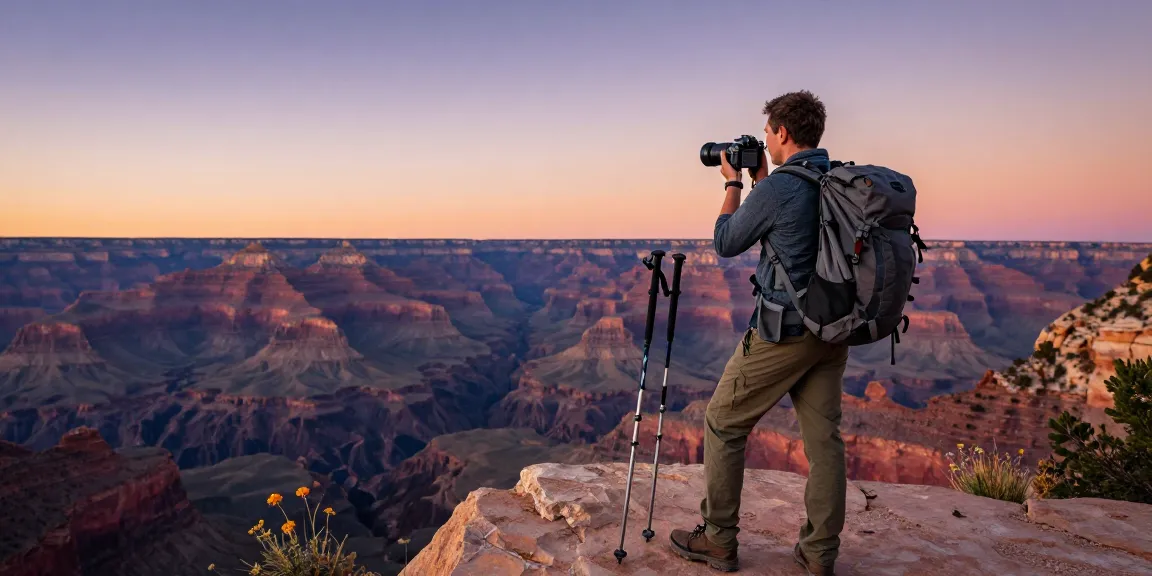
For photography lovers, capturing the essence of the Grand Canyon requires planning. The golden hours—shortly after sunrise and before sunset—offer the best lighting for stunning shots. Use a tripod for stability and consider bringing a wide-angle lens to encompass the vast landscapes. Don't forget to explore various angles and perspectives to truly capture the grandeur of the canyon.
Practical Considerations for Your Road Trip
Vehicle Preparation and Rental Options
Before setting out on your road trip, ensure your vehicle is well-prepared. Check all systems and consider a tune-up if necessary. If you plan to rent a vehicle, choose one suitable for your adventure, especially if you intend to explore unpaved roads or go camping. Many rental companies offer options with additional features like GPS and roof racks for extra gear.
Essential Packing List for an Adventurous Road Trip
When packing for your road trip, include essentials like comfortable clothing, sturdy hiking shoes, and a well-stocked first-aid kit. Don't forget your camera, snacks, and plenty of water to keep you refreshed on long drives. Depending on your plans, consider bringing camping gear if you aim to stay overnight within the park.
Understanding Park Fees and Permits for Entry
Entry to the Grand Canyon National Park requires a fee, which can be paid at the park entrance. As of 2026, the standard vehicle admission fee is $35, valid for seven days. If you plan to visit multiple national parks, consider the America the Beautiful Pass, which offers access to all national parks for a single annual fee. Be mindful of specific permits required for backcountry hiking and camping.
Future Trends in Travel: Road Tripping in 2026 and Beyond
Emerging Technology for Road Trip Planning and Navigation
Looking towards future road trips, technology will continue to play a significant role in enhancing the travel experience. Smartphone applications for navigation have made finding attractions easier than ever. Additionally, in-car technology is improving, with real-time traffic updates and route optimization features that help avoid delays and discover scenic detours in real-time.
Eco-friendly Travel: Sustainable Practices for Your Trip
As travel evolves, eco-friendly practices have gained prominence. For your road trip, consider using a fuel-efficient vehicle or an electric car to reduce your carbon footprint. Bring reusable water bottles and snacks in reusable containers to minimize waste. Be respectful of nature by sticking to established trails and following Leave No Trace principles during your visit to the Grand Canyon.
How to Stay Connected on the Open Road: Wi-Fi and Mobile Options
Staying connected while on a road trip has become increasingly important. Many roadside attractions and national parks offer Wi-Fi; however, coverage can be spotty in remote areas. Consider investing in a mobile hotspot device or utilizing smartphones with unlimited data plans to ensure you stay connected for navigation and communication throughout your journey.
What are the best routes for a Las Vegas to Grand Canyon road trip?
The best routes typically include U.S. Route 93 for direct access to the Grand Canyon, while alternative scenic routes via Highway 89 can include additional stops for natural wonders.
How long does the drive take from Las Vegas to the Grand Canyon?
The drive generally takes around 4.5 to 5 hours, but it can vary based on traffic and stops along the way for sightseeing.
What are the top attractions along the way?
Notable stops include Hoover Dam, Kingman’s Route 66 Museum, and unique natural attractions like the Grand Canyon Caverns and Natural Bridges.
Is it safe to travel the Las Vegas to Grand Canyon route?
Yes, the route is generally safe, but travelers should remain cautious of weather conditions and ensure their vehicle is well-maintained.
What should I pack for a road trip to the Grand Canyon?
Essentials include comfortable clothing, hiking gear, sufficient water, snacks, a camera, and a first-aid kit to ensure an enjoyable trip.