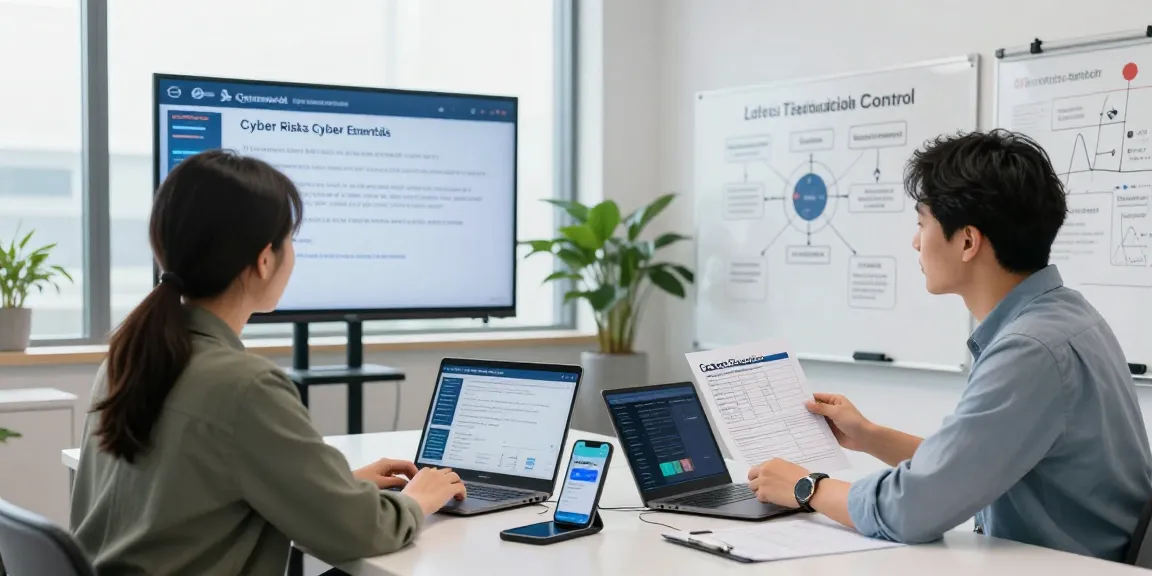
Understanding Cyber Essentials Certification
The ever-evolving landscape of cybersecurity presents both challenges and opportunities for businesses, particularly small and medium enterprises (SMEs) in the UK. In this environment, obtaining Cyber Essentials certification is not merely a regulatory checkbox; it's a critical step in safeguarding your organization's digital assets against prevalent cyber threats. This certification, backed by the UK government, outlines a clear set of security controls that organizations must implement to protect themselves from cyber attacks. As SMEs increasingly face more sophisticated cyber threats, understanding and attaining cyber essentials certification has become essential for operational resilience and trustworthiness.
What is Cyber Essentials Certification?
Cyber Essentials is a UK government-backed scheme designed to help organizations protect themselves from a range of common cyber threats. It sets out a basic level of security that businesses should implement to mitigate the risk of cyber attacks effectively. The certification process involves a self-assessment questionnaire that aligns with five key technical controls, which cover the essential areas of security implementation. Organizations that achieve certification demonstrate their commitment to safeguarding sensitive data and protecting their networks from vulnerabilities.
Benefits of Cyber Essentials for UK SMEs
For SMEs, the benefits of obtaining Cyber Essentials certification extend beyond just compliance. Some key advantages include:
- Enhanced Security Posture: By adhering to the Cyber Essentials framework, businesses significantly reduce their vulnerability to cyber attacks.
- Increased Trust: Customers and partners are more likely to trust organizations that are certified, which can lead to more business opportunities.
- Access to Government Contracts: Many government contracts require suppliers to be Cyber Essentials certified, making it a necessity for businesses looking to engage with public sector projects.
- Insurance Benefits: Certification may lower cyber insurance premiums and provide access to specific coverage, such as the free £25,000 cyber liability insurance offered to certified organizations.
Common Misconceptions about Cyber Essentials Certification
Despite its benefits, several misconceptions about Cyber Essentials persist. For example:
- It's Only for Large Organizations: Many SMEs believe that Cyber Essentials is only relevant for larger businesses, but it is crucial for organizations of all sizes to protect themselves from cyber threats.
- Certification is Too Difficult: While achieving certification does require commitment, with the right resources and support, it can be a straightforward process for most organizations.
The Cyber Essentials Certification Process
The path to Cyber Essentials certification involves several key steps that organizations must follow to demonstrate their compliance with the framework. Understanding these steps can streamline the process and ensure a successful certification outcome.
Key Steps to Obtain Cyber Essentials Certification
The typical journey towards Cyber Essentials certification includes:
- Preparation: This involves conducting a thorough review of current security protocols and identifying any gaps against the five technical controls.
- Self-Assessment: Organizations complete the self-assessment questionnaire that outlines how they meet the Cyber Essentials requirements.
- Submission: The self-assessment is submitted to an IASME (Information Assurance for Small and Medium Enterprises)-accredited body for validation.
- Certification: Once validated, the organization receives its Cyber Essentials certification.
Understanding the IASME Audit Requirements
For organizations aiming for Cyber Essentials Plus, an independent audit is necessary. IASME auditors will assess the organization's compliance with the Cyber Essentials standard. This audit ensures that the reported security measures are effectively implemented and operational.
Preparing for the Certification: Best Practices
Preparation is key to a successful certification. Organizations can implement various best practices to streamline this process:
- Conduct a Gap Analysis: Identify areas for improvement by comparing existing security measures against Cyber Essentials requirements.
- Educate Staff: Ensure that all employees understand their roles in maintaining cybersecurity, particularly regarding the five technical controls.
- Utilize Cyber Essentials Resources: Leverage available guides and templates provided by IASME and other bodies to facilitate the preparation process.
Cyber Essentials vs. Cyber Essentials Plus
While basic Cyber Essentials certification is valuable, many organizations may benefit from the enhanced assurance of Cyber Essentials Plus. Understanding the differences between these two levels is crucial for making an informed decision.
Core Differences Between CE and CE Plus
The primary distinction between Cyber Essentials and Cyber Essentials Plus lies in the level of scrutiny:
- Cyber Essentials: This self-assessment certification focuses on the implementation of the five technical controls, which include secure configuration, boundary firewalls, access control, malware protection, and patch management.
- Cyber Essentials Plus: In addition to meeting the Cyber Essentials requirements, this level requires an independent audit and verification of the implemented controls. This level provides greater assurances to customers and partners.
Choosing the Right Path for Your Business
Deciding between Cyber Essentials and Cyber Essentials Plus should consider various factors:
- Business Size: Smaller organizations may find the self-assessment sufficient, while larger enterprises or those in regulated sectors may require the additional credibility offered by CE Plus.
- Client Requirements: If your clients or the contracts you pursue demand higher security standards, CE Plus may be necessary.
Impact of Certification Level on Business Opportunities
Achieving Cyber Essentials or Cyber Essentials Plus can significantly impact an organization's marketability. Certified businesses are often viewed as more secure, thereby attracting clients who prioritize data protection and regulatory compliance. This is especially pertinent when competing for government contracts or working with larger enterprises.
Continuous Compliance and Renewal Strategies
Acquiring Cyber Essentials certification is not a one-time affair. Continuous compliance and timely renewal are essential to maintain the certification status and security posture.
Maintaining Cyber Essentials Compliance Year-Round
Organizations must adopt a proactive approach to ensure ongoing compliance:
- Regular Training: Ongoing employee training sessions can help maintain awareness around cybersecurity best practices.
- Periodic Reviews: Regularly review and update security measures to reflect changes in the business landscape and emerging threats.
- Automated Monitoring: Implement automated tools to monitor and report compliance with the Cyber Essentials framework continuously.
Timelines and Responsibilities for Renewal
Cyber Essentials certification is valid for 12 months, after which organizations must renew their certification. A systematic approach to renewal includes:
- Setting Renewal Reminders: Establish calendar alerts well in advance of certification expiry to ensure readiness.
- Conducting a Pre-Assessment: Perform a self-assessment before renewal to identify areas that may need attention.
- Engaging Stakeholders: Involve all relevant team members in the renewal process to ensure thorough compliance.
Common Challenges During the Renewal Process
Companies often face several challenges when renewing their Cyber Essentials certification, such as:
- Documentation Issues: Ensuring that all required documentation is complete and current can be time-consuming.
- Staff Turnover: Changes in personnel may lead to knowledge gaps regarding compliance responsibilities.
- Emerging Threats: New cybersecurity threats may require significant adjustments in compliance strategies.
Future Trends in Cybersecurity Compliance (2026 and Beyond)
As we move further into the 2020s, it is crucial for businesses to stay ahead of emerging trends in cybersecurity compliance to remain competitive and secure.
Emerging Cybersecurity Threats and Responses
The threat landscape is continually evolving, with ransomware, phishing attacks, and data breaches becoming increasingly sophisticated. Organizations must invest in advanced security measures and adopt a culture of cybersecurity resilience. Utilizing artificial intelligence (AI) and machine learning (ML) for threat detection and response will become a necessary component of a robust cybersecurity strategy.
Technological Advancements and Their Impact on Certification
Emerging technologies such as cloud computing, IoT, and AI will also influence Cyber Essentials certification. Organizations will need to adapt their compliance strategies to address the unique security challenges presented by these technologies. As such, the Cyber Essentials framework may evolve to incorporate new guidelines dealing with these advancements.
Predictions for the Evolution of Cyber Essentials Certification
Looking ahead, we can expect an increased emphasis on continuous compliance rather than a singular certification event. Organizations might be required to demonstrate their compliance on an ongoing basis, supported by automated tools and real-time assessments. Furthermore, as regulatory standards evolve, we may see Cyber Essentials certification adapting to align with broader international cybersecurity standards, enabling UK businesses to stay competitive on a global scale.
What are the costs associated with Cyber Essentials certification?
The costs vary depending on the size of the organization and the level of certification pursued. Typically, fees start from approximately £300 for basic Cyber Essentials certification and can rise for Cyber Essentials Plus due to the added requirements of an independent audit.
How long does it take to get Cyber Essentials certified?
The timeline for obtaining certification can vary, with basic Cyber Essentials typically taking a few weeks, while Cyber Essentials Plus may require four to eight weeks due to the independent audit process.
Is Cyber Essentials certification mandatory for all businesses?
While not mandatory for all businesses, many organizations find that certification is essential for competing in the UK market, particularly when seeking government contracts or engaging with larger enterprises.
What support is available for SMEs pursuing certification?
SMEs can access numerous resources, including guidance from IASME-accredited bodies, cybersecurity consultants, and training programs designed to streamline the certification process.
How does Cyber Essentials certification enhance business reputation?
Achieving Cyber Essentials certification enhances a business's reputation by demonstrating its commitment to cybersecurity. It signals to customers and partners that the organization takes data protection seriously, fostering trust and confidence.