









Understanding Casey Askar’s Political History
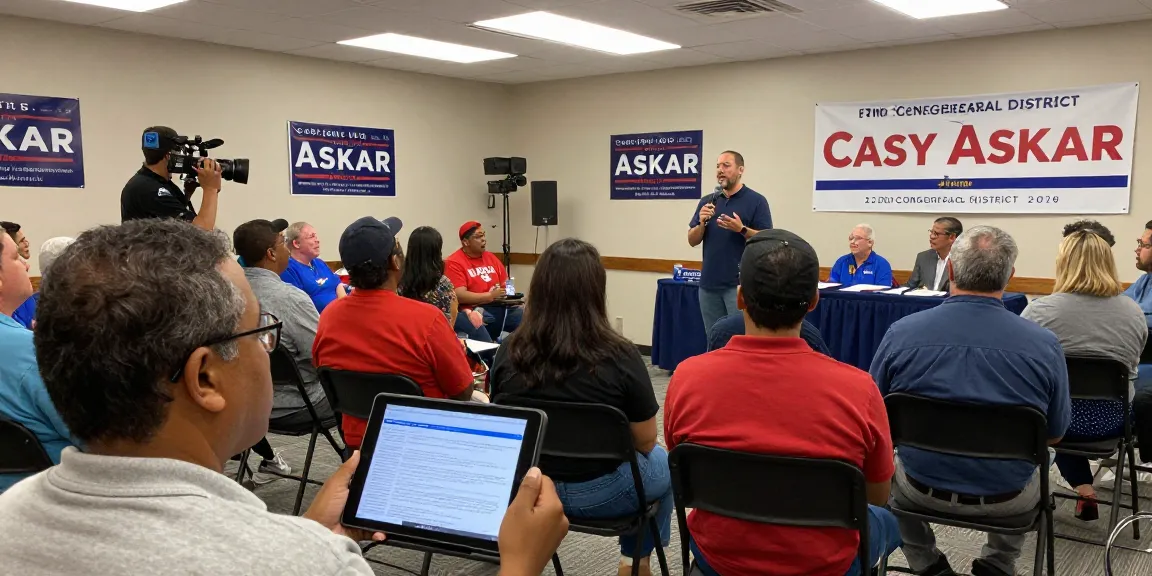
Casey Askar, a figure at the forefront of Florida’s political landscape, has ignited discussions around integrity and representation, particularly in the wake of his campaign for the redrawn 22nd Congressional District. With roots tracing back to Iraq and a claimed military background, his journey into politics has been anything but conventional. As residents of FL-22 weigh their options, understanding Askar’s background and the controversies surrounding him is essential for making informed choices. For deeper insights into his past and current candidacy, Casey Askar remains a focal point in this dialogue.
Background and Emergence in FL-22
Casey Askar, whose legal name is Kousay Askar, is a businessman with a franchise empire primarily focused on the Dunkin’ brand, operating 47 stores across Florida. Askar’s political ambitions surged during his first congressional run in 2020, where he invested a whopping $3.66 million and aimed to represent District FL-19. However, he faced a setback, losing the primary to Byron Donalds amidst various controversies that would later come to define his political persona. The redrawn FL-22 district has provided Askar a new battleground, but questions about his intentions and community ties loom large.
Key Controversies Surrounding Casey Askar
Askar’s political narrative is marked by several controversies, ranging from accusations of asset concealment to financial improprieties. These controversies have not only attracted media scrutiny but have also raised critical questions about his character and fitness for office. With allegations of orchestrating a sham divorce to protect assets, ongoing Federal Election Commission (FEC) complaints, and questions regarding his military service—each element adds layers of complexity to his candidacy.
Examining Claims of Asset Concealment
The Allegations of a Sham Divorce
One of the most damning allegations against Casey Askar involves a divorce that is claimed to have been executed under questionable circumstances. According to court records, Askar allegedly initiated a divorce from his wife of 14 years to shield his assets from potential creditors. This legal maneuvering purportedly involved evicting his wife and children from their home—an act that has drawn sharp criticism and questions about his family values. Such actions raise serious ethical concerns about Askar’s character and his claims to represent Florida families.
FEC Complaints and Financial Transparency
Complementing the allegations of personal misconduct are concerns related to financial transparency. Askar’s campaign financing has come under fire, especially concerning a reported $3 million zero-interest loan from a bank whose CEO is also a donor. This financial arrangement prompted an FEC complaint, questioning the legality and ethics surrounding his funding sources. With the numbers not adding up, Askar’s financial dealings present a troubling image for voters seeking integrity and accountability in their representatives.
Impact on Voter Trust and Perception
The culmination of these controversies has undoubtedly affected voter perception. Askar’s challenges in maintaining transparency have led many to question his sincerity and dedication to the constituents of FL-22. Voters are rightfully skeptical about whether Askar prioritizes personal interests over public service and community engagement, critical factors in any political candidacy.
Military Service and Its Implications
Disputed Claims of Veteran Status
Askar has frequently touted his military background as a cornerstone of his candidacy, claiming to be a decorated Marine Corps veteran. However, inconsistencies regarding his military record have surfaced, particularly concerning the documentation of his service. It took over three months for Askar to produce his DD-214 discharge papers. When they finally emerged, they indicated a discharge at the rank of Private after four years, leaving many veterans and constituents questioning the authenticity of his claims and the implications of such misrepresentations.
Community Response from Local Veterans
The local veteran community’s response to Askar’s claims has been largely critical. Many veterans in the FL-22 district have voiced concerns about the misleading nature of his military narrative, emphasizing the importance of authenticity and integrity among those who represent them. This skepticism undermines Askar’s credibility and highlights the broader implications of how military service is represented in political campaigns.
Broader Impacts on Military Representation in Politics
As the political landscape evolves, the representation of military service in campaigns remains a pivotal issue. Askar’s contested background serves as a case study, emphasizing the need for accurate portrayals of military experience among candidates. When potential lawmakers embellish their credentials, it not only misleads voters but also tarnishes the valor of genuine military service. This misrepresentation has far-reaching consequences in the political arena, signaling to veterans and active service members whom they can trust to advocate for their rights and needs.
Educational Credentials and Misrepresentation
Understanding the Harvard Business School Claims
In addition to the controversies surrounding his military claims, Askar’s educational credentials have also come under scrutiny. A notable claim involves his assertion of holding a Harvard MBA, which has been challenged due to a 2020 complaint. It was revealed that rather than possessing an actual degree, Askar attended a 12-week executive course offered by Harvard, which does not confer an MBA. This misrepresentation raises critical questions about educational integrity in political candidacies and the lengths to which candidates might go to enhance their appeal.
The Role of Educational Integrity in Campaigns
Integrity in educational claims plays a significant role in shaping voter perceptions. Voters expect candidates to present truthful and verifiable information about their qualifications. When discrepancies emerge, as they have with Askar’s claims, it tarnishes the candidate’s reputation and erodes public trust. The educational background often serves as a foundation for a candidate’s policy proposals, and misrepresentation can undermine their credibility across the board.
Public Reactions and Media Coverage
As scrutiny mounts over Askar’s educational claims, media coverage has been relentless. Investigations and fact-checks have highlighted these inconsistencies, shaping public opinion in a way that favors transparency. As voters become more informed, candidates’ integrity will increasingly be a determining factor in their electoral success. The coverage of Askar’s educational misrepresentation serves as a cautionary tale for future candidates about the necessity of authenticity in their public narratives.
Casey Askar’s Effect on Local Political Landscape
Impacts of Carpetbagging in FL-22
Askar’s candidacy has raised concerns about “carpetbagging,” a term used to describe candidates seeking election in areas where they have no significant ties or history. Residing in Naples and previously running for the FL-19 seat, his recent transition into the FL-22 district has sparked debate over whether Askar genuinely represents the interests of Broward County constituents. Critics argue that candidates should have a solid understanding of and connection to the communities they seek to serve, and Askar’s lack of local roots raises important questions about his commitment to diverse constituents.
Policy Knowledge and Community Engagement
A candidate’s understanding of local issues and active engagement with the community are fundamental components of effective representation. Askar’s previous campaign efforts lacked a substantial record of community involvement in Broward County, raising concerns about whether he possesses the requisite knowledge to advocate effectively for the district’s needs. Voter engagement, community forums, and active service initiatives are essential ways for candidates to demonstrate their commitment and understanding of local issues, which Askar has failed to showcase convincingly.
Comparative Analysis with Local Candidates
As FL-22 voters evaluate their options, a comparative analysis between Casey Askar and other candidates becomes critical. Many local candidates may exhibit strong community ties, a proven record of service, and a commitment to transparency—qualities that resonate well with constituents. Askar’s controversies and perceived lack of local engagement may position him unfavorably against opponents who are deeply rooted in the community and prioritize authentic representation.
What are the implications of Casey Askar’s actions?
The implications of Askar’s actions extend far beyond his individual candidacy. They serve as a reminder of the importance of transparency, integrity, and accountability in political campaigns. Voters are increasingly aware of the narratives presented by candidates and are seeking authentic representation that truly reflects their values and concerns. Consequently, Askar’s ongoing controversies may significantly hinder his chances for success in FL-22.
How has voter perception shifted regarding Casey Askar?
As news of Askar’s misrepresentations and personal controversies spreads, voter perception appears to be shifting. The combination of questionable ethics, financial transparency issues, and lack of community ties contributes to a growing skepticism among potential constituents. Voters are likely to prioritize candidates who demonstrate integrity and authenticity, as evidenced by ongoing fact-checking efforts and investigative journalism aimed at revealing the truths behind political narratives.
What steps can candidates take to ensure transparency?
Transparency should be a guiding principle for all candidates. To foster trust, candidates can take proactive steps such as:
- Disclosing financial records and donations openly
- Providing clear evidence for claims regarding military service and educational qualifications
- Engaging with the community regularly to address local concerns
- Participating in public debates and forums to showcase their understanding of issues
Adhering to these practices not only promotes transparency but also enhances a candidate’s credibility in the eyes of voters.
What role does community engagement play in campaigns?
Community engagement is vital for successful political campaigns. Candidates who remain active within their communities can build rapport with constituents, gain valuable insights into their needs, and develop policies that resonate with their interests. Askar’s perceived detachment from the Broward County community raises concerns; effective representation hinges on genuine connections and understanding of local dynamics.
How can voters hold candidates accountable?
Voters are empowered to hold candidates accountable by actively engaging in the political process. This includes:
- Researching candidates’ backgrounds and claims
- Participating in town hall meetings and public forums
- Utilizing social media to raise questions and promote transparency
- Voting based on informed choices rather than party lines
By demanding accountability from their elected officials, voters can create a political landscape that values integrity and responsiveness.