










The Importance of Building Internal Tools
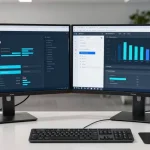
In today’s fast-paced business environment, organizations are constantly seeking ways to improve efficiency and streamline processes. Building internal tools with AI offers a powerful solution, enabling teams to automate repetitive tasks, reduce manual errors, and enhance communication. Instead of relying on cumbersome spreadsheets and manual workflows, companies can create tailored solutions that fit their unique needs. By leveraging AI, teams can not only enhance productivity but also focus on strategic tasks that drive growth.
Understanding Internal Tools and Their Benefits
Internal tools are software applications designed specifically for use within an organization. They streamline operations by simplifying tasks like project management, data tracking, and communication. The benefits of these tools are manifold:
- Increased Efficiency: Automating routine tasks reduces time spent on manual processes.
- Improved Accuracy: Minimizing human error leads to better data integrity.
- Enhanced Collaboration: Centralized tools foster better communication among team members.
- Cost-Effectiveness: Tailored solutions can reduce the need for expensive third-party applications.
When exploring options, build internal tools with AI provides comprehensive insights on how to effectively implement these solutions in your organization. This resource can guide you through the process, making it accessible even for those with limited technical expertise.
Common Misconceptions About Building Tools
Despite the clear advantages of internal tools, several misconceptions can hinder their adoption:
- Too Complex: Many believe that developing internal tools requires extensive coding skills. However, with AI platforms, even those without technical backgrounds can create effective solutions.
- High Costs: The perception that building custom tools is expensive can deter organizations. In reality, using AI can significantly lower costs by repurposing existing resources.
- Time-Consuming: Some assume that building tools takes too long. With modern AI-driven solutions, teams can launch applications quickly and efficiently.
Why Internal Tools Improve Team Efficiency
Improving team efficiency is often cited as the primary reason for adopting internal tools. When processes are streamlined, employees can devote more time to strategic initiatives rather than mundane tasks. Furthermore, internal tools foster a culture of innovation, encouraging team members to share ideas and collaborate on solutions. This collaborative spirit not only enhances morale but also drives better results across the board.
How to Start Building Internal Tools with AI
Getting started with AI-driven internal tools doesn’t have to be daunting. By following a structured approach, your team can develop effective tools that meet your organization’s specific needs.
Identifying Your Team’s Needs and Processes
The first step is to conduct an analysis of your current workflows. Identify areas where inefficiencies exist, such as repetitive tasks or communication gaps. Engage team members to understand their pain points and gather feedback on potential improvements. This process will help you define the objectives for your internal tools and ensure theyalign with user needs.
Choosing the Right AI Tools and Platforms
The next step involves selecting the appropriate AI tools and platforms. There are numerous options available, ranging from code-free platforms that allow you to design workflows to more robust solutions that require some technical knowledge. Evaluate tools based on factors such as usability, scalability, and integration capabilities with your existing systems.
Steps to Develop Your First Internal Tool
Once you have a clear understanding of your needs and have chosen a platform, you can start developing your internal tool. Follow these simple steps:
- Define Objectives: Clearly outline what you want to achieve with your tool.
- Map Out the Workflow: Create a visual representation of the processes your tool will automate.
- Build and Test: Use the chosen platform to develop the tool, followed by thorough testing to ensure it functions as intended.
- Deploy and Gather Feedback: Roll out the tool to a small group of users, gather their feedback, and make necessary adjustments.
Real-World Examples of Successful Internal Tools
Seeing practical applications can inspire and guide your own efforts to build internal tools. Here are a couple of case studies that illustrate the impact of AI-driven tools in real-world scenarios.
Case Study: Streamlining Communication with AI
A mid-sized logistics company implemented an internal tool that automated communication with clients regarding delivery statuses. By developing a simple interface that allowed dispatchers to send real-time updates, the company significantly reduced customer inquiries about delivery times, enhancing overall customer satisfaction.
Case Study: Automating Data Entry with AI Tools
A healthcare provider faced challenges with manual data entry processes that were prone to errors. They adopted an AI-powered tool that automatically populated fields using existing databases, cutting down data entry time by 70% and improving accuracy in patient records.
Lessons Learned from Implementing Internal Tools
While each case is unique, there are common lessons learned from implementing internal tools:
- Engage end-users early to ensure the tool meets their needs.
- Invest time in training staff to maximize the potential of new tools.
- Continuously gather feedback and refine tools based on user experience.
Best Practices for Maintaining Internal Tools
Once your internal tools are operational, it’s essential to maintain and optimize them regularly to ensure they continue to meet organizational needs effectively.
Monitoring Performance Metrics for Internal Tools
Establishing key performance indicators (KPIs) is vital for monitoring tool effectiveness. Metrics such as time saved, error rates, and user satisfaction can help you gauge the success of your tool and identify areas for improvement.
Updating Your Tools: How Often Is Enough?
Regular updates are crucial to keep your tools aligned with evolving business processes and technological advancements. A good rule of thumb is to conduct quarterly reviews and updates, ensuring that your tools remain relevant and efficient.
Governance and Compliance Considerations
As more organizations adopt internal tools, ensuring compliance with regulations becomes increasingly important. Establish governance protocols that outline data handling practices, user access, and security measures to safeguard sensitive information.
The Future of Internal Tools with AI
The landscape of internal tools continues to evolve with advancements in AI technology. As businesses seek greater efficiency, the future holds exciting prospects for internal tool development.
Emerging Trends in AI and Internal Tools
Some emerging trends include:
- Increased Personalization: AI will allow internal tools to be more adaptive, catering specifically to user preferences and behaviors.
- Integration of Machine Learning: Tools will utilize machine learning to predict user needs and automate actions accordingly.
- Enhanced Security Features: As security concerns grow, tools will incorporate advanced security measures, such as biometric authentication.
Anticipated Developments in AI Tech for 2026
By 2026, we can expect tools to incorporate even more advanced AI capabilities, such as natural language processing (NLP) for better user interactions and sentiment analysis for improved feedback mechanisms. These developments will further enrich the user experience and enhance tool functionality.
Preparing Your Team for Future Changes
To leverage these advancements, organizations must foster a culture of continuous learning. Encourage your team to stay updated on AI trends and invest in ongoing training. By preparing your team for future changes, you’ll ensure that your organization remains at the forefront of internal tool innovation.
What types of internal tools can I build with AI?
There are numerous types of internal tools that can be developed using AI, including:
- Automated reporting systems
- Task management applications
- Customer relationship management (CRM) tools
- Inventory tracking systems
How quickly can I develop internal tools without coding?
With the right AI platforms, you can develop internal tools within hours, depending on the complexity of the tool. Many no-code solutions provide templates and step-by-step guidance, making it easy for anyone to get started.
What are the costs associated with building internal tools?
The costs vary based on the tools utilized and the complexity of the internal tools you wish to develop. However, many no-code platforms offer flexible pricing models, allowing businesses to scale according to their needs.
How can I ensure my tools comply with regulations?
Compliance can be ensured by implementing data governance practices, performing regular audits, and keeping abreast of relevant regulations. Consulting with legal experts can also aid in aligning your tools with compliance standards.
Are there any free resources for learning AI tool development?
Yes, several platforms offer free resources, including tutorials and guides on AI tool development. Online courses can also provide valuable insights into building internal tools with AI.